
Picture this: It’s a sweltering July afternoon in Texas, and instead of cranking up the AC and hiding indoors, you’re floating in your own crystal-clear pool. The kids are laughing, splashing in the shallow end. You’ve got a cold drink in hand. And the best part? Your pool practically takes care of itself.
This isn’t a dream. It’s what life looks like for thousands of Texas families who chose fiberglass pools.
Whether you’re adding a pool to your forever home or replacing an aging concrete pool that’s become more trouble than it’s worth, you’re probably wondering: What do I really need to know? What’s this going to cost? How do I make sure I’m making the right choice?
Let’s walk through everything Texas homeowners need to know about fiberglass pools, from planning to installation to enjoying years of low-maintenance swimming.
planning your texas pool: start with the right questions
Before you call contractors or start browsing pool shapes online, take a moment to think about how this pool will fit into your family’s life. Here are the questions that will help guide your decisions:
- Who’s going to use this pool? Little kids learning to swim need different features than teenagers throwing pool parties or adults swimming laps for exercise.
- What’s your main goal? Staying cool during brutal Texas summers? Getting your daily workout? Creating the ultimate entertainment space? Maybe all three?
- How big is your backyard? Good news: Fiberglass pools come in designs for every size yard, from compact urban lots to sprawling ranch properties.
- How much maintenance time do you realistically have? Be honest here. Your pool material will determine whether you’re spending Saturday mornings cleaning or swimming.
- What safety features are non-negotiable? Think about fencing, covers and entry points, especially if you have young children or pets.
Working with a licensed Texas pool builder who knows the local soil and climate challenges will save you headaches down the road. Trust us on this one.
fiberglass pools across texas: dallas, austin, houston and san antonio
Texas isn’t just big; it’s diverse. And that means pool considerations vary depending on where you live.
Dallas pool owners deal with heavy clay soil and summer temps that regularly hit 100°F. Austin pools face Hill Country limestone, occasional flash floods and hard water. Houston pools contend with high humidity, coastal weather and intense rainfall. San Antonio pools battle hard water deposits and relentless sun exposure.
Here’s the thing: advanced fiberglass technology handles all these challenges. Whether you’re in North Texas, Central Texas, the Gulf Coast or South Texas, modern construction adapts to your specific conditions.
If you’re near the Gulf Coast, whether in Houston, Galveston or Corpus Christi, you’ll need extra attention to drainage because of high water tables and hurricane-season rain. The sealed, one-piece construction of fiberglass pools prevents the water intrusion that plagues concrete pools in coastal areas.
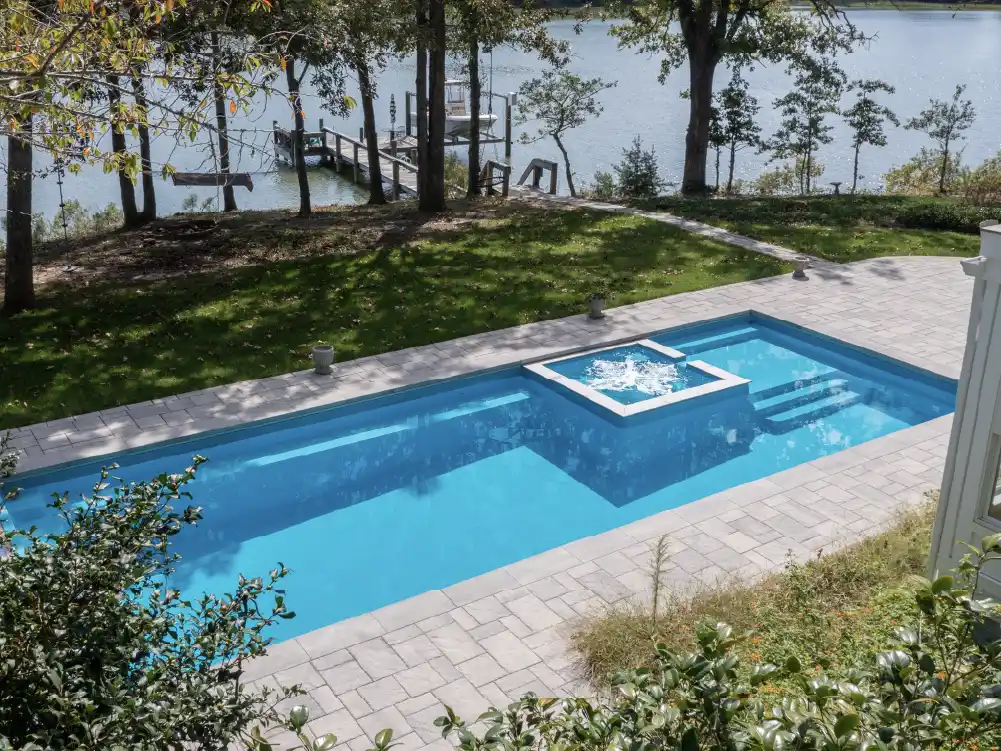
finding the right pool size for your texas backyard
compact pools for urban living
Living in a Dallas high-rise district, an Austin neighborhood near downtown or a Houston subdivision? You might think a smaller yard means sacrificing the pool experience. Not true.
Compact fiberglass designs pack serious features into efficient footprints. We’re talking built-in tanning ledges where kids can play safely while adults lounge, integrated benches for underwater conversations and slip-resistant steps that make getting in and out easy for everyone from toddlers to grandparents.
These pools prove you don’t need a massive yard to create your own backyard retreat. Just smart design.
spacious pools for bigger properties
Got room to spread out? Lucky you. If your property includes Hill Country acreage, suburban space or ranch land, you can explore fiberglass pools from Imagine Pools full range of designs.
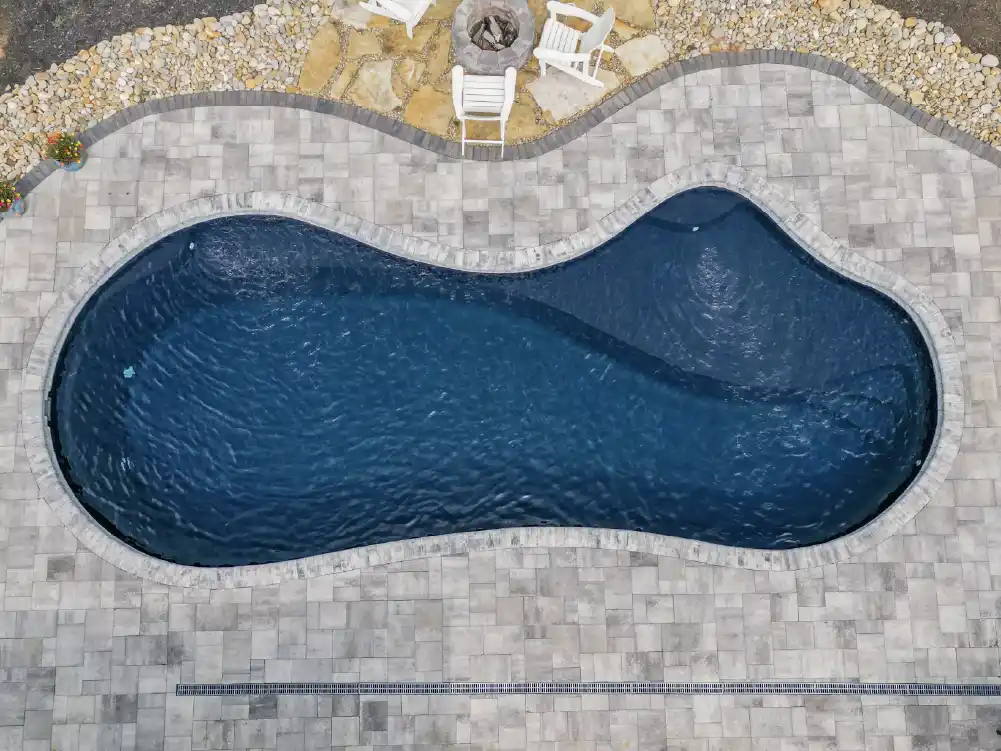
Larger rectangular pools are perfect for serious swimmers who want to get their laps in before work. Freeform designs create that resort feel with multiple areas where people can gather, play and relax all at once. Add features like swim-out benches, and you’ve got the ultimate Texas entertaining space.
Your pool becomes the center of everything: weekend cookouts, birthday parties and lazy Sunday afternoons. Your backyard becomes the place where memories happen.
why fiberglass pools work so well in texas
Let’s get practical. Why should a Texas homeowner choose fiberglass over concrete? The answer comes down to construction, maintenance and long-term costs. Here’s what you need to know.
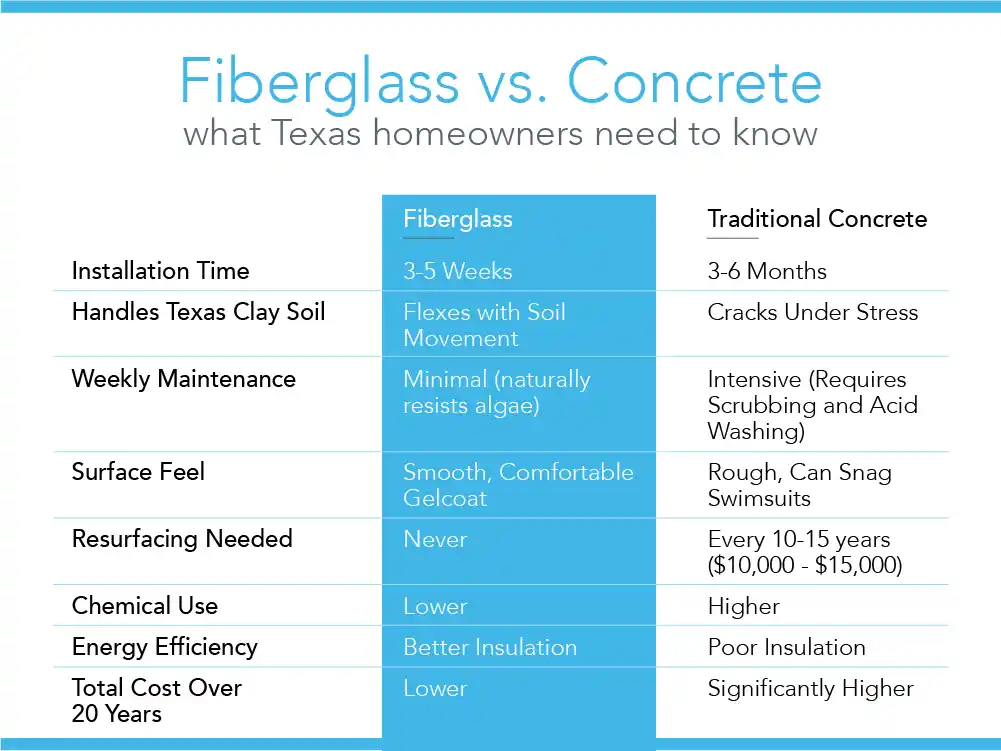
fiberglass pools built to handle texas soil…seriously
Let’s talk about the elephant in the room: Texas soil. Specifically, that expansive clay soil that’s everywhere in this state.
This stuff is notorious. It swells up when it rains, shrinks when it’s dry and never stops moving. It’s why houses here develop foundation cracks. And it’s a nightmare for concrete pools.
Here’s where fiberglass engineering makes all the difference. Modern fiberglass pools feature advanced composite construction with high-performance vinyl ester resin woven into every structural layer. Not just certain spots. Every layer.
Why does this matter? Because this creates a non-reactive composite that flexes with soil movement instead of fighting it. When that clay shifts (and it will), your fiberglass pool moves with it. No cracks. No structural damage. Just a pool that keeps doing its job year after year.
Concrete pools don’t have this flexibility. They’re rigid. When the ground moves, they crack. It’s not a matter of if, but when.
energy efficiency that saves you money
Texas electricity bills are no joke. Especially in summer when the AC runs nonstop.
Your pool’s energy costs matter, too. And here’s where fiberglass really shines: it naturally insulates better than concrete. The smooth gelcoat surface and composite construction hold heat in when you want it, keep it out when you don’t.
What does this mean for your wallet? Lower heating costs if you want to extend your swimming season into spring or fall. Less energy needed to keep water at a comfortable temperature in brutal summer heat. Month after month, year after year, those savings add up.
With Texas’s deregulated energy market and variable rates, efficiency isn’t just nice to have—it’s money in your pocket.
less maintenance, more swimming time
Be honest: Do you want to spend your weekends maintaining a pool or enjoying it?
Fiberglass pools require significantly less maintenance than concrete. Here’s why: The smooth, non-porous gelcoat surface naturally resists algae. Algae need something rough to grab onto. Fiberglass doesn’t give it that chance.
Compare this to concrete’s rough, porous surface. It’s like a welcome mat for algae. You’ll spend time scrubbing. You’ll use more chemicals. Every 10–15 years, you’ll pay thousands of dollars to have it resurfaced because the surface breaks down.
With a fiberglass pool, your weekly routine is simple:
- Skim the surface
- Empty the filter baskets
- Test your water
- Done
Once a month, backwash your filter. That’s it.
More time swimming. Less time working. Exactly how it should be.
fast installation timeline
Construction projects are disruptive. Period. But some are worse than others.
Because fiberglass pools are manufactured in climate-controlled facilities and arrive at your property as complete shells, installation moves fast.
Your 3–5-week installation process:
- Week 1: Site prep and excavation
- Week 2: Pool delivery and placement, plumbing and electrical work begins
- Week 3: Backfill around pool, deck preparation, equipment installation
- Weeks 4–5: Finish decking, connect everything, fill with water, start enjoying
Compare this to concrete pools: steel framework, gunite application, waiting for it to cure, plastering, more curing and finally filling. This stretches across months. And Texas weather (you know – those spring storms and scorching summer heat) can delay things even more.
With a fiberglass pool, you’re swimming by mid-summer instead of waiting until fall.
beautiful finishes that last
Quality fiberglass pools offer stunning gelcoat colors. Whether you want Ocean Blue or Storm Grey or something else, these colors don’t just coat the surface; they’re part of the gelcoat itself.
That means they don’t fade. They don’t wear away. They don’t need replacing.
The smooth finish feels great underfoot. It’s gentle on skin and swimsuits. No more snagged suits or scraped knees from rough concrete. From day one through 20, 30 or even 40 years later, your fiberglass pool looks beautiful with minimal effort.
what does a fiberglass pool cost in Texas?
Let’s talk numbers. Every project is unique but understanding the factors that affect cost helps you plan realistically.
Base pool costs:
- Size matters: Smaller pools cost less than larger designs (obviously)
- Features add value: Tanning ledges, integrated spas, custom steps increase the price
- Color choices: Premium colors might carry small upcharges
Texas-specific installation factors:
- Soil conditions: Clay soil requiring special backfill adds excavation costs
- Property access: Tight access might require crane rental
- Distance from dealer: Transportation costs vary
- Permits and inspections: Usually $200–$1,000+ depending on your city
Additional investments:
- Decking: Concrete, pavers or natural stone to surround your pool
- Fencing: Required by Texas law (costs vary by material and height)
- Equipment: Heaters, automatic covers, lighting, automation
- Landscaping: Plants, hardscaping, outdoor furniture
Here’s what most people miss: Initial cost is just part of the equation. Over 20 years, fiberglass costs significantly less than concrete because you avoid resurfacing expenses ($10,000–$15,000 every 10–15 years), use fewer chemicals and spend less on energy.
When you look at total cost of ownership, fiberglass wins. By a lot.
texas installation realities: what you need to know
Texas presents unique challenges. That expansive clay soil we talked about? Your builder needs specific expertise to handle it properly.
They need to understand excavation depth, the right backfill materials and drainage solutions that account for how Texas soil behaves through wet springs and dry summers.
If you’re near the coast, additional drainage planning is essential because of high water tables and hurricane-season rainfall.
The advantage of fiberglass’s one-piece construction? There are no seams to separate, no liner to shift. The structural integrity stays intact even when the ground moves through seasonal changes.
Working with an experienced builder who knows Texas conditions isn’t optional—it’s essential for protecting your investment.
permits and regulations in texas
Texas requires building permits for pools. Requirements vary by city, but generally you’ll need:
- Construction permit from your local building department
- Compliance with fencing regulations (typically 4-foot minimum height with self-closing, self-latching gates; check the Texas Health and Safety Code)
- Setback requirements (minimum distance from property lines)
- Electrical permits for pumps, lights and equipment
Larger cities like Dallas, Houston, Austin and San Antonio usually have more detailed requirements. Smaller towns keep it simpler.
Your pool builder should know local regulations inside and out. Most handle permit applications for you. Just confirm what’s required in your specific location before breaking ground.
For official information, check the Texas Department of Licensing and Regulation or your local building office.
maintaining your pool in texas heat
Texas weather is intense. Your pool works hard. But fiberglass construction makes maintenance manageable even in extreme conditions.
Weekly tasks:
- Skim debris from the surface
- Empty skimmer and pump baskets
- Test water chemistry and adjust
- Run your automatic pool cleaner
Monthly tasks:
- Backwash your filter system
- Check equipment operation
texas-specific fiberglass pool maintenance tips
Extreme heat means testing water chemistry more often during peak summer. Water evaporates faster in Texas than almost anywhere else, concentrating chemicals and throwing off your balance.
A quality pool cover helps tremendously. It reduces evaporation, keeps debris out and provides critical safety protection.
Some Texas regions have hard water. You might need periodic adjustments to prevent calcium buildup. Your local pool professional can advise on your specific area’s water characteristics.
The beauty of fiberglass pools? Even in relentless Texas heat, you’ll fight fewer algae battles than concrete pool owners dealing with identical conditions. That smooth, non-porous surface keeps working.
why texans love their fiberglass pools
Still deciding? Here’s what Texas pool owners consistently tell us:
Extended swimming season: Most of Texas enjoys 8–10 months of pool weather. South Texas? Almost year-round. That’s incredible value from your investment.
Perfect for the texas lifestyle: Outdoor living is huge in Texas. A pool naturally becomes where families gather, where kids create memories, where friends congregate on weekend afternoons.
Instant heat relief: When it’s 105°F outside (and that happens a lot here), having immediate access to your own pool beats driving to crowded public pools any day.
Increases property value: Well-maintained pools boost your home’s value and appeal in Texas real estate markets where pools are highly desirable.
frequently asked questions
ready to start your texas pool project?
Texas demands pools built to handle extreme conditions. Advanced fiberglass technology delivers with composite construction creating pools that handle clay soil, intense heat and long swimming seasons.
The result? Years of low-maintenance, trouble-free ownership. Exactly what Texas families need.
Working with a certified fiberglass pool dealer ensures proper installation, full warranty protection and a pool engineered to deliver decades of enjoyment.
Next steps:
Explore your options: Browse complete collections to see designs perfect for Texas backyards—from compact urban pools to spacious designs for larger properties.
Get real pricing: Contact a certified dealer for accurate cost estimates based on your property, location and design preferences. No surprises.
Schedule your consultation: Talk with a local expert who understands Texas soil, climate challenges and permitting requirements. Get your questions answered.
Contact a local Imagine Pools fiberglass pool dealer today to start creating your Texas backyard oasis.


